This article was originally published in The Echo out of Eastern Oregon Correctional Institution. It won third place for Best Long-Form Reporting in the 2026 American Penal Press Contest.
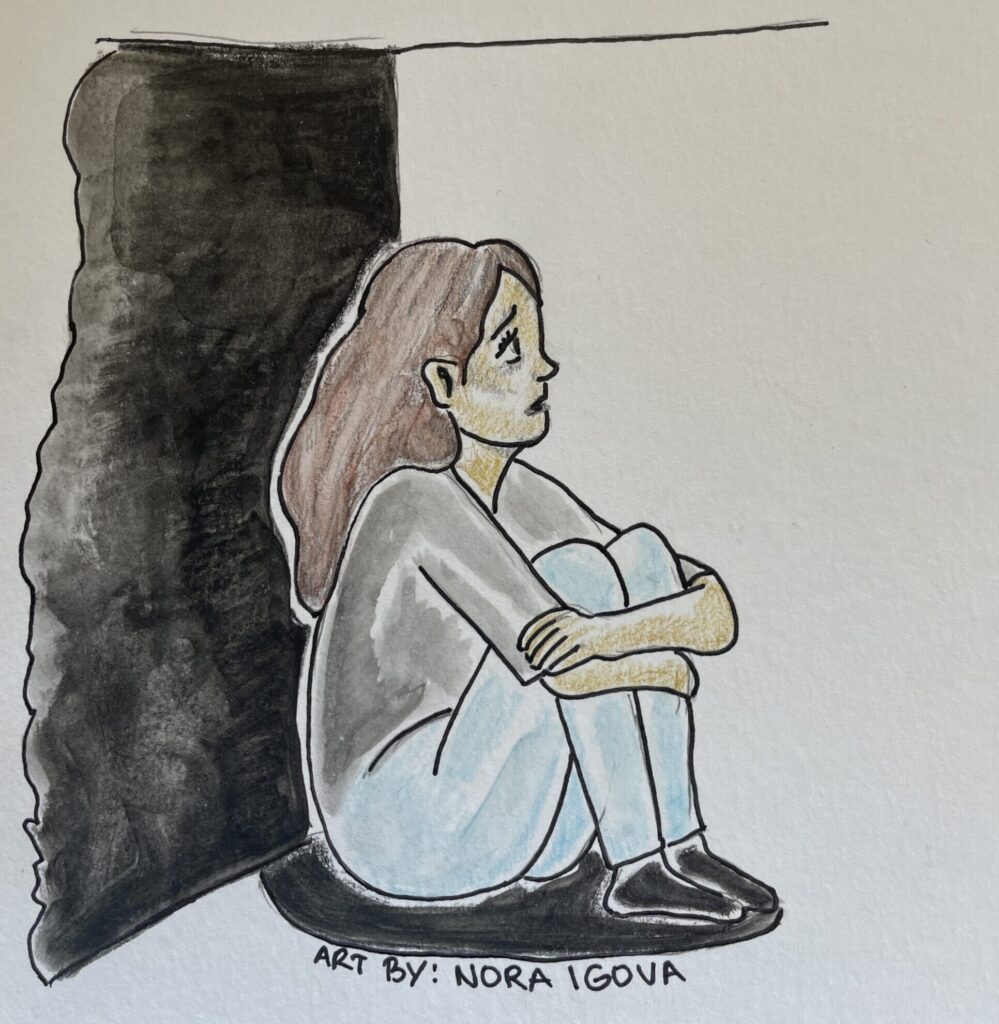
Having a career and earning a livable wage after prison may seem unattainable to many adults in custody, but career fairs hosted inside prisons can help them overcome those hurdles.
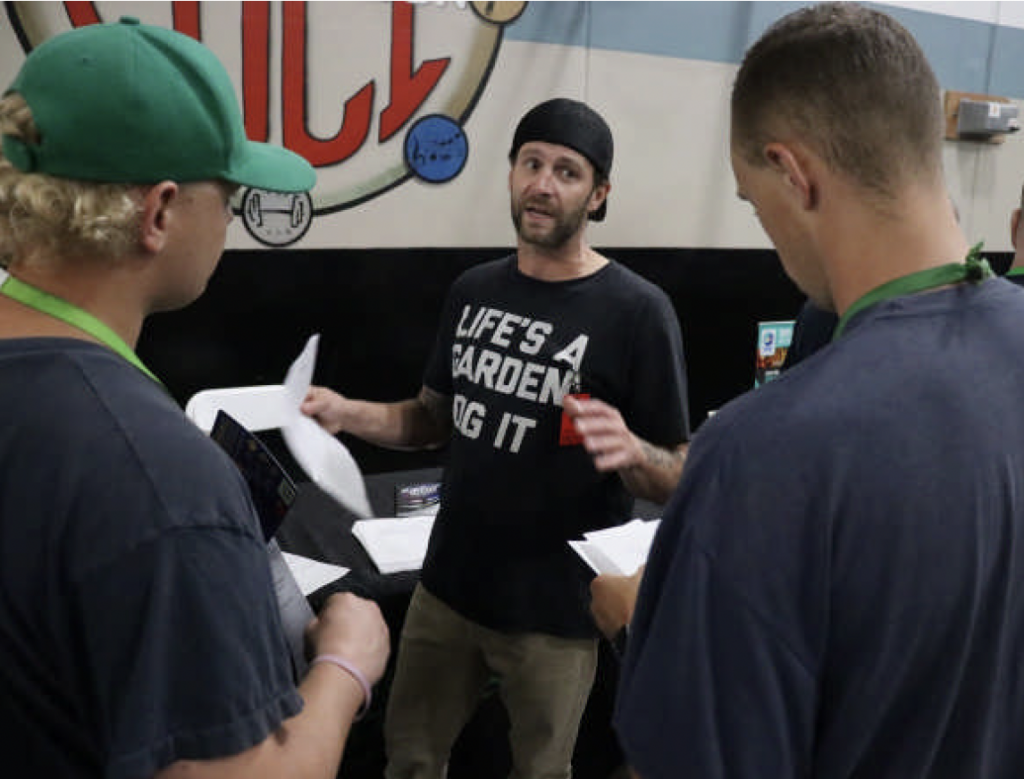
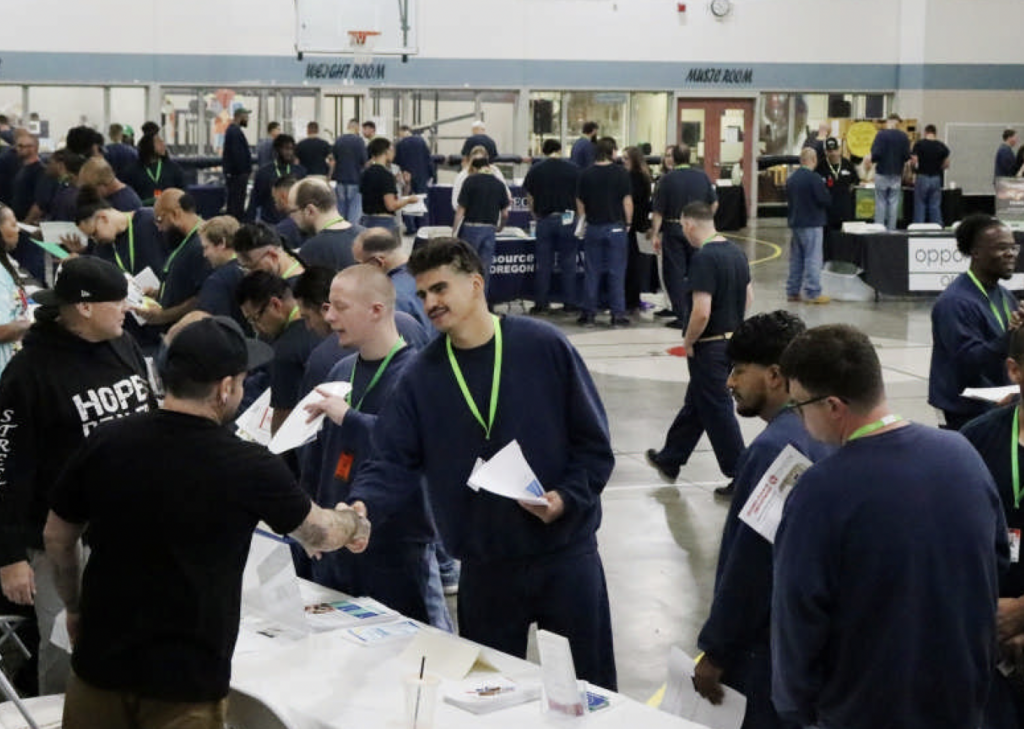
On Aug. 1, nearly 30 employment, transition, housing and treatment vendors greeted about 400 residents of Eastern Oregon Correctional Institution at its second career fair. Some vendors were previously incarcerated at EOCI, returning to help incarcerated people transition to the future. Opportunity Oregon, Worksource Oregon and the Oregon Department of Corrections partnered to connect services to AICs.
According to a 2022 Prison Policy Initiative report, it takes an average of six or more months for the returning citizen to find work. Complications of securing housing, complying with parole and overcoming social stigmas are three contributing factors.
The Second Chance Career Fair at EOCI offered resources which can address those issues.
Businesses Lead the Way
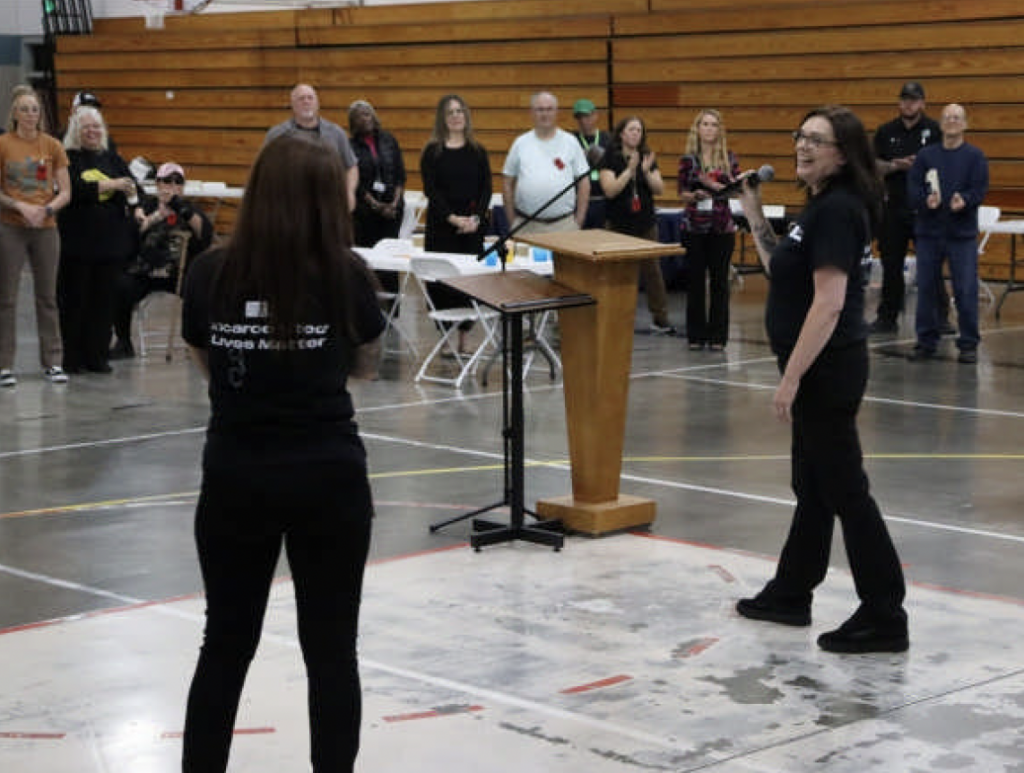
Opportunity Oregon’s co-founder and Director Nancy Pance gave a speech to vendors and facility staff just before the event began. She wore a shirt with the words “Incarcerated Lives Matter” emblazoned across the back. Pance thanked everyone for making the event possible and shared information about the importance of jobs.
“According to 2024 U.S. Chamber of Commerce, people coming out of incarceration on the job are maintaining a 68% retention rate,” she said.
Pance also said 85% of human resources representatives are saying people with a record are performing at the “same level or higher” than employees who have no record.
Employers representing the Ironworkers Local Union No. 29, a roofers and water proofers union, the railroad company Union Pacific, Oregon Corrections Enterprises and more were present. But jobs were not the only focus.
Without housing, returning residents face significantly more challenges.
Urban Alchemy is a non-profit which provides housing services, directed by former EOCI resident Ben Pervish. The organization is mainly staffed by returning citizens and people who have experienced homelessness. They operate three tiny home villages in Portland to serve those without a permanent residence.
Pervish said he was nervous about returning, but came back wishing to share his story. He spent 25 years in prison and was released in 2023.
“I am – or was – that one a lot of people felt didn’t deserve another chance. They felt like I should die in here,” said Pervish.
After releasing Pervish worked with Pance to get the job at Urban Alchemy.
“She put some work in with me, she really put in work with me. Got me the opportunity to interview with Urban Alchemy,” said Pervish. “I walked in there, I had three interviews to get the job and I aced them.”
There were also housing providers present who help people stay sober.
For the first time, Oxford House attended the event. The not-for-profit organization provides a self-ran, self-supporting sober living home for people affected by substance use disorder. Tanya Hill, the representative for Oxford House, said it is a “safe place to call home.”
According to Pance, housing is just one piece of reentry success.
Other vendors who attended included various reentry support service providers such as Golden Rule Reentry which provides peer support and free clothing; The Miracles Club focuses on helping returning African-Americans; Worksource Oregon provides work clothes, transportation and job search services. Each organization helps to make the transition back to society as smooth as possible.
Reentry organization Changing Patterns, ran by Frank Patka, consistently had one of the largest crowds during the event. Patka was released from EOCI in 2010.
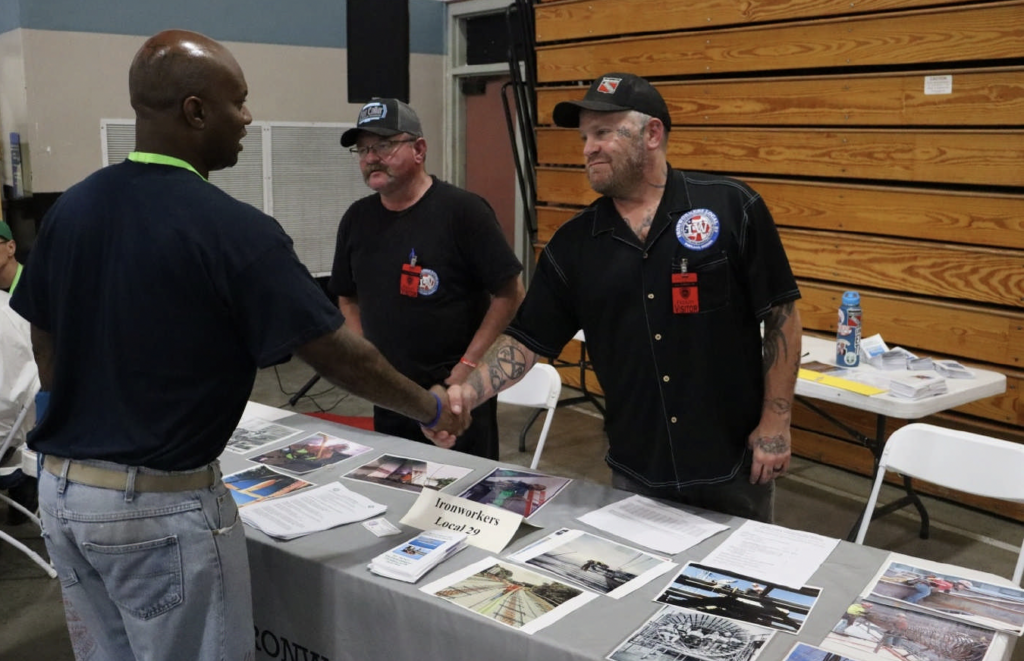
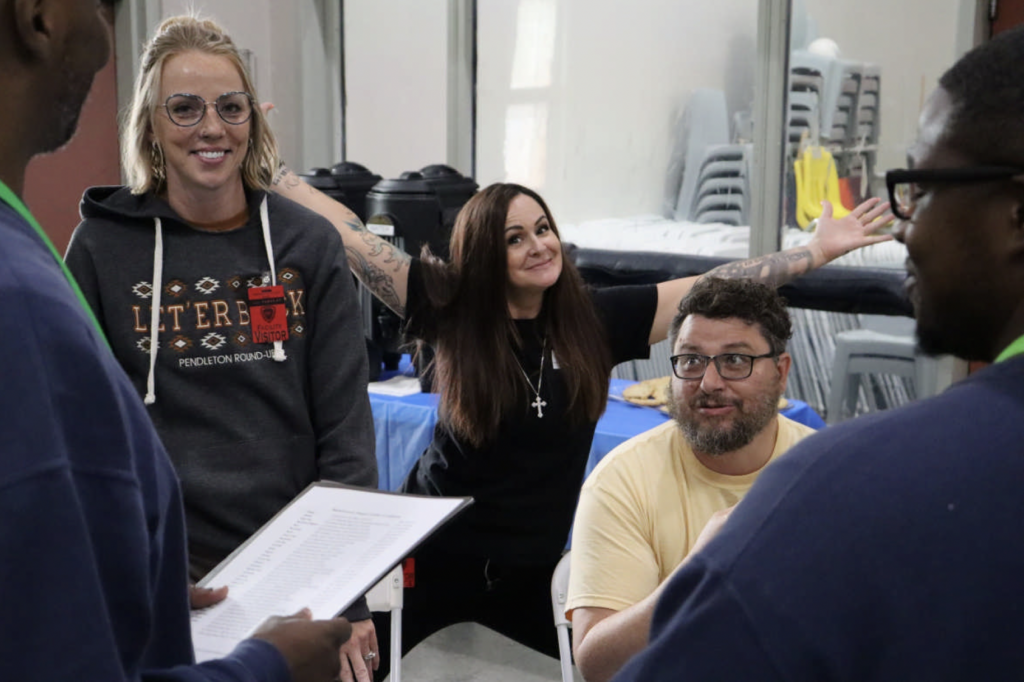
“When I was in prison only two people who got out came back to speak positively to us,” Patka said. “The career fair allows us to come back in and show the people in prison that we made it and we can help you to make it.”
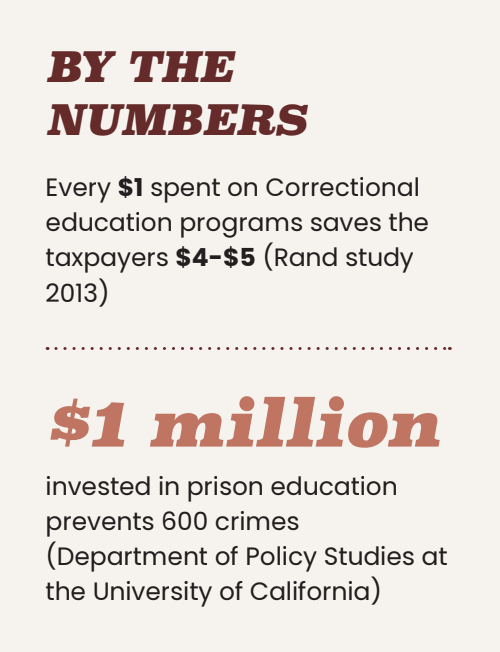
It is well-known that successful reintegration into society lowers crime. Recidivism levels drop when transition success increases.
Dave Pedro, superintendent for EOCI, told volunteers that the vast majority of individuals in custody will be returning to society and communities. Like Pance, Pedro highlighted the importance of employment to reentry.
“A key piece to a successful reentry is supportive family, a supportive network out there in the community, and gainful employment,” said Pedro.
An example of Pedro’s point would be Michelle Elhers. Pance hired Ehlers after she was released from prison. Elhers is now a reentry support specialist for Opportunity Oregon.
During her incarceration at Coffee Creek Correctional Facility, Elhers earned her bachelor’s degree – a first for incarcerated women in Oregon. She now works with the transitional services departments at every correctional facility in the state helping releasing AICs create transition plans. On average, there are approximately 12,000 incarcerated people in Oregon prisons with the majority eventually releasing.
“Because of these [career fairs] right here it makes a difference. We provide hope and inspiration and we bring success to our communities,” said Elhers.
AIC Impact – Seeking a Future
Some vendors, such as Opportunity Oregon, have been offering services to incarcerated people prior to their release, making transition back to society smoother. These vendors provide classes inside facilities, work with transitional counselors, and meet with AICs directly.
Pance said there are many success stories tied to career fairs. Opportunity Oregon was able to help 114 individuals get jobs in 2024, ranging from trade apprenticeships to caregiving. At the Second Chance Career Fair, AICs appeared excited as they interacted with employers and businesses.
“It is amazing to see how many people are willing to help [us] with our transition,” said Ryan Huebner, a resident at EOCI.
The career fair also helped some residents realize there would be more to their lives than prison. William Harvey said the event helped him realize he has worth and that his story is not over because of a prison sentence.
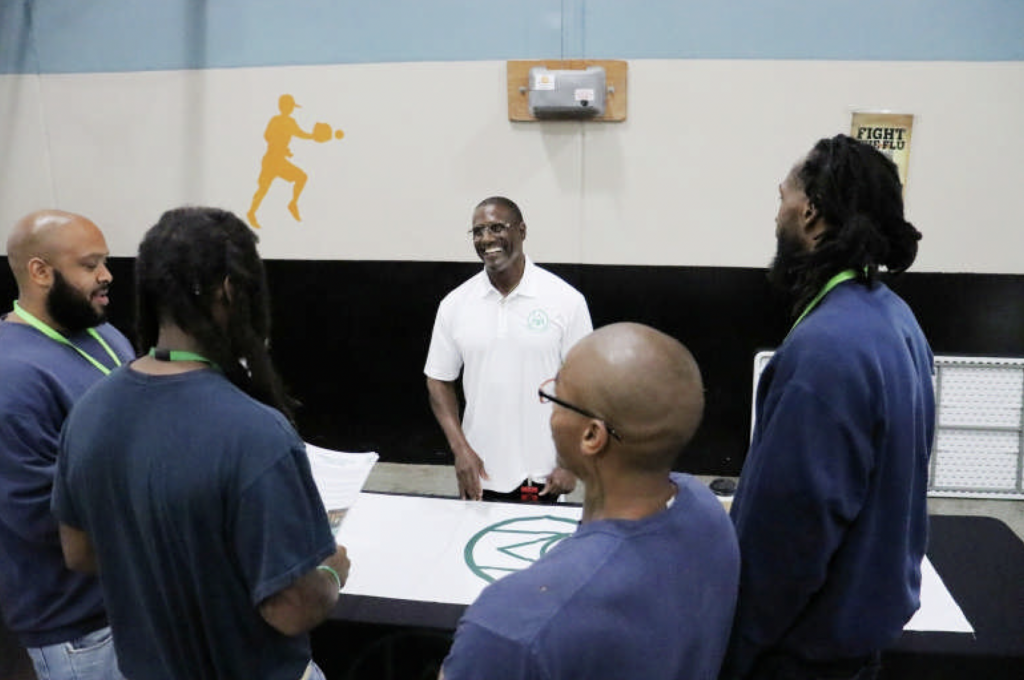
Bill Barnard, the director of operations for St. Vincent de Paul, demonstrates Harvey’s point that there is life after prison.
Barnard served a cumulative 16 years in the state and federal prison system. When Barnard heard about the Second Chance Career Fair, he immediately volunteered.
“You don’t lose opportunities just because of your felony background,” Barnard said. “I try to use my success to show other people that if you make the right choices, you can do the same thing.”
“I’m glad we get the chance to talk to people who have been in our shoes,” said resident Alonzo Lewis.
After the event, AICs in attendance were asked to fill out a small survey on the career fair. Based on the responses, most were thankful and excited about the resources and services offered.
“I’m glad people care enough to do this,” said resident Robert Redwine. “It will make re-entry less stressful and scary.”
Staff Impact – Helping the Future
Residents and vendors were not the only ones enthusiastic about the event.
Transitional Coordinator Sue Robson was happy to see the career fair return with an even larger turnout than the previous year.
“People felt like they had hope,” said Robson. “That was just so inspiring and awesome.”
Robson and Pance were primarily responsible for bringing the career fair to EOCI. When they presented the idea to Ray Peters and Jaylene Stewart from Institution Work Programs, Stewart said they immediately “jumped on board.”
Stewart, office specialist for IWP, said she was thrilled to be a part of the career fair for the second year.
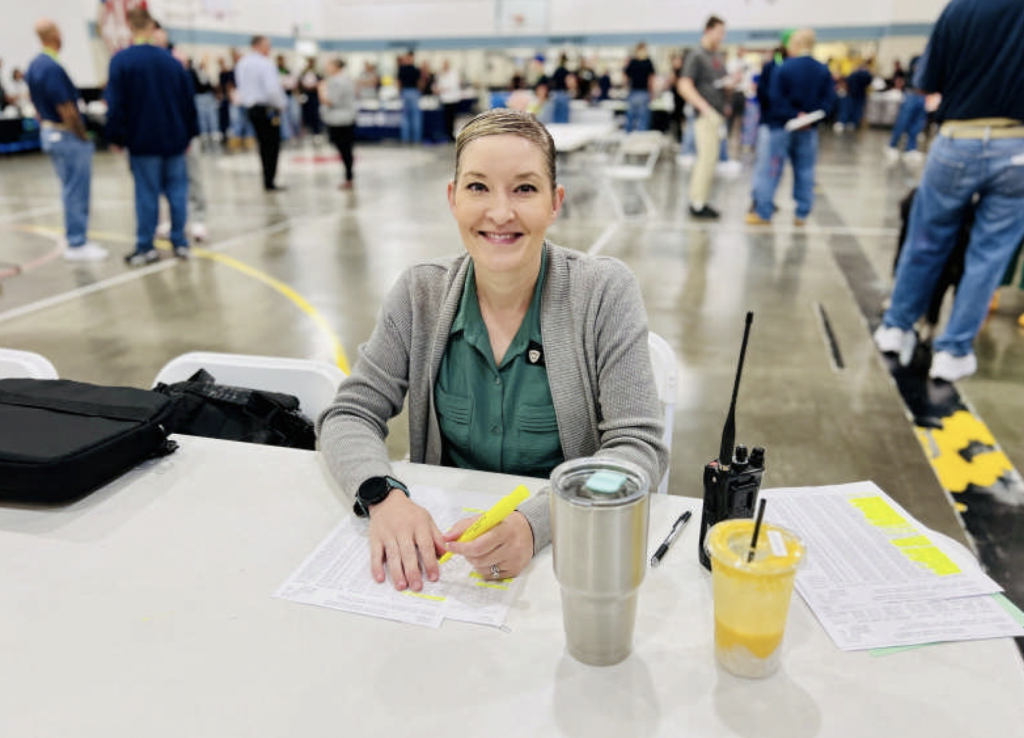
She was responsible for organizing and planning the event along with Robson and Pance. During the month prior to the event, Stewart worked to verify facility entry authorization for each vendor. During the event, she assisted with set up and with checked in AICs at the door.
“It was great to see new vendors, new faces and new names,” said Stewart. “We had some amazing resources and amazing employers.”
Stewart also wishes to broaden the career fair’s exposure to reach as many residents as possible, informing them of all the resources available to them.
She hopes to eventually have enough resources and employers to offer two separate events – an employer fair and a resource fair.
As Pance and Opportunity Oregon continue recruiting new employers and services, more options will become available at future events.
Even without the growth, Second Chance Career Fairs are already encouraging optimism in AICs.
“[The career fair] gave me hope for the future and it made me a little less nervous for release,” said resident Austin Sifuentes.