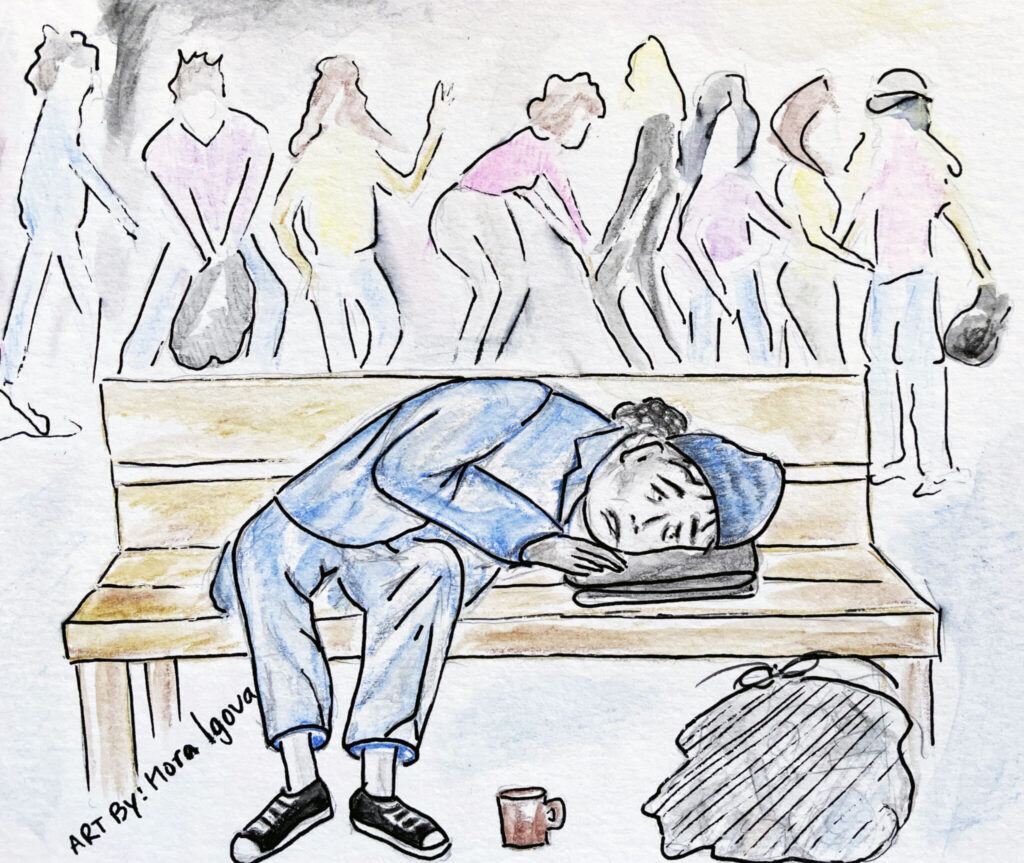
Incarcerated foreign nationals must often rely on peer support to help them navigate the language and demands of American culture
This article was originally published in The Angolite out of Louisiana State Penitentiary. It won second place for Best Long-Form Feature in the 2025 American Penal Press Contest.
The United States, a nation founded by immigrants seeking opportunities and freedoms, continues to embrace its identity as a welcoming haven for people from diverse backgrounds around the world. In recent years, America has witnessed a notable surge of illegal border crossings that has fueled national debate over immigration and border security. The feelings toward illegal immigration in the U.S. vary widely. For some, it is seen as a significant threat to national security. Other observers are more sympathetic toward undocumented immigrants. Surveys indicate that almost 75 percent of Americans believed that illegal immigrants should be allowed to remain if certain requirements are met. For those whose crimes have landed them behind bars, there is far less sympathy.
The Pew Research Center recently estimated that the population of unauthorized immigrants in the U.S. at the end of 2023 stood at around 11 million people. Although these researchers claimed that the number has stabilized, the country has seen a spike of more than 2 million migrant encounters in the last two years, down from more than 2.2 million in cases in 2022. Pew also reported that Mexico has consistently been the leading country of origin since the pandemic for most undocumented immigrants.
Many people leave their native countries’ troubled geopolitical state, driven by the pursuit of the American dream of economic prosperity and the chance to raise families in a free society. This dream is often fueled by the hope of achieving a better quality of life, access to quality education, and the opportunity to work in environments that value hard work and innovation. Some migrate to escape persecution and hunger.
They hail from nations like China, Guatemala, Honduras, Mexico, and Vietnam, where systemic corruption, rampant violence, and economic instability threaten their families’ livelihoods. The decision to leave is rarely made lightly; it is often a last resort driven by desperation and the desire for a brighter future. In many cases, migrants leave behind loved ones, the comfort of their native cultures, and a familiar language.
Upon arrival in the U.S., they face issues such as racial discrimination, national prejudice, and cultural misunderstandings that are exacerbated by language barriers. A lack of English proficiency can complicate their understanding of laws and regulations, potentially leading to dire confrontations and legal violations. Once entangled in the legal system, they face even greater challenges.
At the Louisiana State Penitentiary at Angola, inmate organizations offer services for prisoners in need of assistance beyond basic state care. Many of these groups typically have religious affiliations with administrative sponsorship and are often managed by seminary graduates. Through food concessions, they generate the revenue that fuels their particular focus.
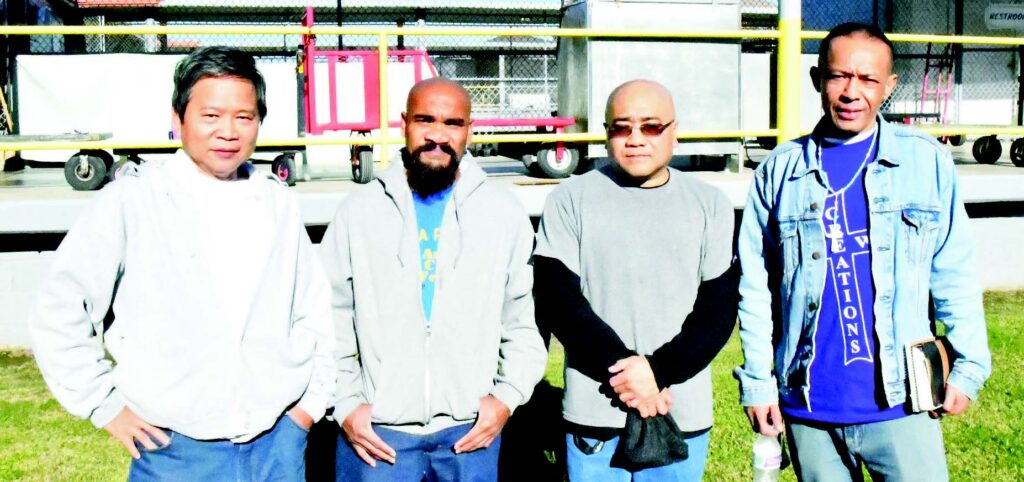
Asian prisoners who struggle with English proficiency rely heavily on peer support from the Asian American Cultural Society (AACS), an inmate-led club established in 2001 to help its members navigate the daily challenges of prison life. Angola’s incarcerated Asian heritage population are few in number—only about 10, mostly housed at Main Prison—but club president Hung Nguyen encourages his members to take an active role in the group. He leads by example by tutoring a monolingual fellow inmate, Lam Tach, who knows very little English. Most AACS members are Vietnamese, which makes it much easier to assist and mentor new members needing support. Most share stories of hardship and desperation.
Longstanding member Hai Duong fled his homeland in 1975 during the communist invasion of South Vietnam. He and many others boarded often dilapidated, overcrowded boats and sailed into the ocean with nothing more than a few personal items. An account by The Guardian in March 2016 noted that between 1975 and 1980, a mass exodus of roughly 1.2 million people fled communist oppression in Southeast Asia. About 250,000 made it to the U.S., and about 300,000 drowned trying to get here. These desperate people were designated as “boat people,” and Duong was among the few who made it to international waters, boarded a U.S. naval vessel, was ferried to Guam, and then flew to America in pursuit of a better life. He eventually became a green card holder, also known as a permanent resident alien. While currently serving a life sentence, he uses his time to contribute as an AACS peer supporter in a drug rehabilitation program and as an instructor in the electrical vocational school.
AACS recognizes the importance of language acquisition for the long-term success and integration of its members. But English classes are geared primarily toward Hispanic inmates, leaving many Asians without the necessary resources to learn the language.
In the absence of formal educational training for non-English-speaking Asian prisoners, the AACS’ efforts to bridge the gap with peer support is essential. It empowers those seeking to successfully gain a foothold in a foreign culture to communicate more effectively and ultimately enhance their chances of a successful rehabilitation.
Established in 2014, the Hispanic American Cultural Club (HACC) boasts about 60 members. The group’s goals include lending support and assistance to the inmate population with an emphasis on educating and promoting Hispanics. With financial resources accrued through food concessions, they are able to sponsor the penitentiary’s bilingual church—Iglesia Voz de Esperanza (Voice of Hope Church)—and law classes for Spanish-speaking prisoners. The club has several bilingual members who offer peer support to others who hail from Cuba, Dominican Republic, Ecuador, El Salvador, Honduras, Mexico, and Puerto Rico. Club president Leo Pineyro encourages Hispanic inmates to “resist activities that lead to trouble, and focus on the positive things.”
Latin Americans migrate to the United States for many reasons. According to recent data from the Center for Migration Studies, Mexican immigrants are primarily driven by safety and economic reasons. Ninety percent of them left their homeland due to violence, extortion, or organized crime, particularly in the southern regions. Additionally, many seek better economic prospects as the U.S. offers more job opportunities and significant wage increases.
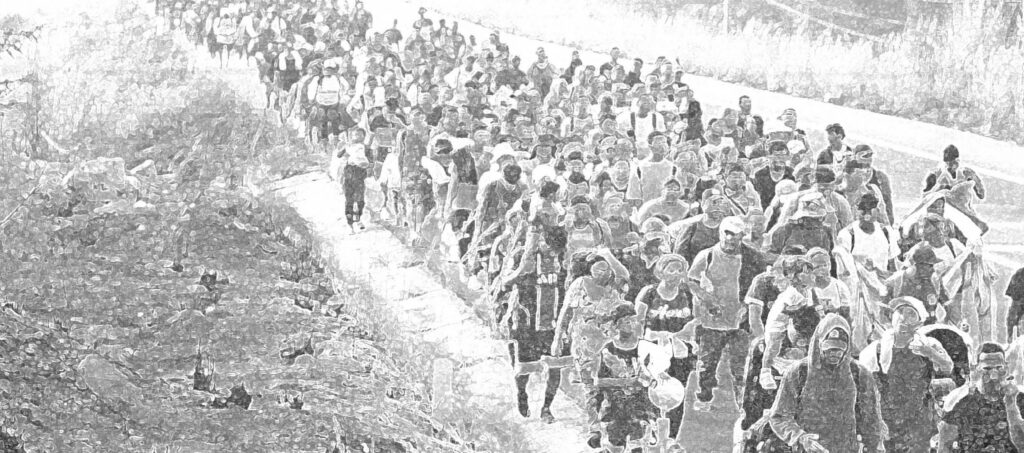
Mexican national Angel Buenaventura left the constabulary and fled his home country to escape the pervasive and violent organized crime that has plagued many regions of Mexico. He found work in Louisiana, but before he had a chance to learn English he ran afoul of the law and was imprisoned. Many non-English-speaking immigrants find themselves in precarious legal situations, often facing misrepresentation and misunderstanding in court.
The complexities of legal proceedings are compounded by language barriers, often resulting in misconceptions that can have grievous consequences. Court-appointed translators may come from different Hispanic countries that have their own dialects and cultural nuances.
José Robles left Honduras in the wake of economic turmoil and corruption in local government. His search for a better life ended abruptly when he was arrested for committing a crime. During his trial, Robles spoke through a court-appointed translator from the Dominican Republic, resulting in a disconnect in dialect and cultural understanding between him, his attorney, and the judge. This communication breach led him to believe that crucial legal terms and phrases were lost in translation. Robles claimed that with a more effective interpreter, the outcome would have been markedly different.
Prison can be a breeding ground for frustration when not everyone speaks the same language. Robles said he gets tired of people telling him to speak in English, because he does not know how. Until peertaught classes recently began, the language barrier seemed insurmountable.
The lack of appropriate language support in the legal system can lead to unjust outcomes for non-English-speaking people. The stakes are incredibly high; lives and futures hang in the balance, and the need for qualified, culturally aware translators is critical. Without the proper means of communication, the integrity of justice is compromised, leaving defendants who may be innocent or are guilty of lesser offenses at a disadvantage in a system obligated to provide effective representation and equal justice.
Bilingual prisoners frequently find themselves called upon to act as convenient interpreters or language facilitators. This phenomenon arises primarily from the shortage of qualified interpreters inside correctional facilities. Many prisons and jails lack the resources to provide professional language services, leaving non-English-speaking inmates vulnerable and isolated. As a result, bilingual inmates often step in to assist their peers in navigating daily interactions, understanding institutional expectations, and accessing essential services.
Peer translation and interpretation provides an essential function in facilitating communication between monolingual inmates and prison staff, healthcare professionals, and during criminal appeals. This function is particularly important in a correctional environment where effective communication can impact an inmate’s well-being.
Honduras native José Licona, who has served 11 years of a life sentence, has dedicated himself to assisting newcomers facing language barriers because he believes he has a divine calling for this task. “The new guys coming in, Hispanic guys, are unable to communicate with the security officers so I am grateful to be able to help them. God has equipped me to do this job.” His commitment to helping others is not just a personal mission. The penitentiary’s administration has designated him the official Spanish-to-English translator at the Main Prison complex.
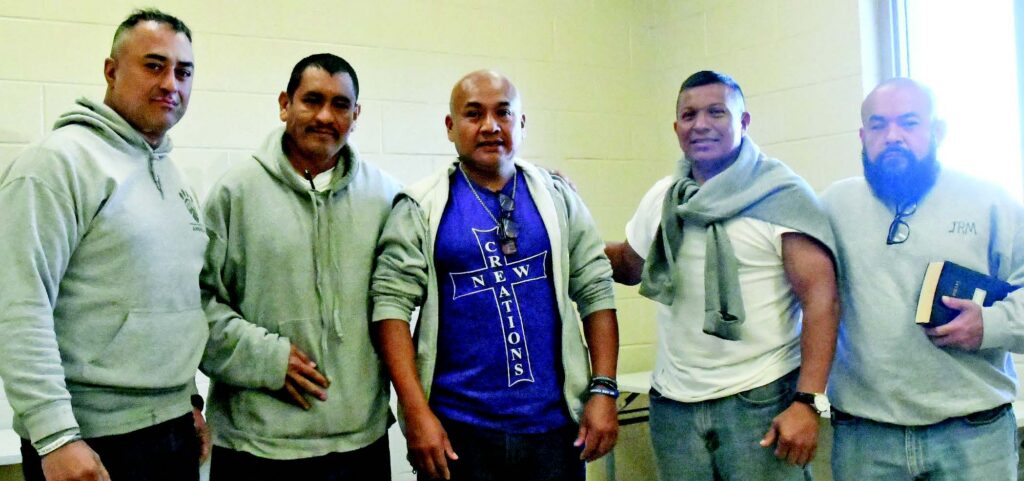
Licona’s work goes beyond mere translation. He helps Hispanic inmates understand the medical advice and prescription information given during appointments with doctors and nurses. He also pastors Iglesia Voz de Esperanza that exists as a spiritual refuge and fosters a sense of community among Hispanic inmates who may feel isolated due to cultural differences.
A skilled maintenance worker at the penitentiary, Peter Rubens’ bilingual abilities allow him to advocate for the Hispanics who work with him. Rubens ensures that their needs are met and their voices are heard, and when work orders come in, he and his Hispanic team members answer the call to help maintain smooth operation of the facility.
When they are not engaged in these important activities, Rubens and his team dedicate their time to the scenic grounds of the Our Lady of Guadalupe chapel, constructed a decade ago by inmate labor on a segment of the Main Prison cellblock recreation yard. The chapel library, located in a nearby building, is another of their current projects that involves repairing and replacing portions of water-damaged ceiling and roof. Rubens, a former French Quarter artist and construction worker, painted the angelic murals on the ceiling. This work not only aesthetically improves the library but fosters a sense of community and purpose among the team.
Pedro Monterrosa, a Guatemalan national, works with Rubens at the chapel. He made the difficult decision to flee his home country due to the overwhelming and pervasive corruption that plagued his daily life. The environment in his region had become increasingly hostile, he said, with law enforcement officers often acting in their own interests rather than serving and protecting the community. Concerned for the safety of his family and himself, Monterrosa sought refuge in the United States, where he hoped for a fresh start and a better life. Before embarking on their journey via bus, the family applied for refugee status.
Foreign nationals may apply for refugee status if they can establish a credible fear of persecution based on race, religion, nationality, membership in a specific social group, or political opinions. This status is typically sought by individuals who are departing their home country in haste and are unwilling or unable to return out of fear for personal safety.
If a person has a well-founded fear of being targeted for harm or discrimination relative to these criteria, he or she may seek protection in this country. The persecution must be extreme and may include threats to life, physical harm, or severe discrimination that affects the individual’s ability to live a free and safe life.
Both asylee and refugee statuses provide critical protections for individuals facing persecution. But the eligibility can be complicated by criminal convictions. It is essential for foreign nationals to seek legal advice and representation to help them navigate the complexities of immigration law. Deprivation of legal counsel can severely hinder an asylum applicant’s ability to present a strong case.
According to the Immigration and Nationality Act and other federal regulations, the government must take any noncitizen into custody and hold them without a bond if they have been convicted of certain removable offenses and released from jail. Removable offenses are any two crimes involving moral turpitude at any time after admission into the United States. They include an aggravated felony, possession of a controlled substance, or certain firearm offenses. If a detainee believes he or she has not committed a removable offense, then they must write to the immigration court and request a Joseph hearing—named after an immigration appeals precedent—during which the detainee may argue against compulsory detention. The hearing involves submitting a brief and possible legal arguments that require representation.
Noncitizens facing deportation proceedings have historically had the right to legal representation in immigration court, but the financial burden typically falls on the defendant. The situation creates a disparity in access to justice, as many immigrants may lack financial resources to hire an attorney, which can derail their ability to engage the perplexing immigration system. Deportation can lead to separation from family and persecution in their home country.
Since deportation is treated as a civil rather than a criminal matter, immigrants are not entitled to the constitutional due process protections of the Sixth Amendment that native criminal defendants enjoy. The disparity raises important questions about fairness and justice within the immigration system. Many detainees may lack familiarity with American laws, which can be exacerbated by not knowing English.
There have been calls for reform in recent years to address these incongruences. Advocates argue that providing legal counsel to people facing deportation is not only a matter of fairness but also a recognition of the complex realities of immigration law. Some jurisdictions have begun to implement programs that offer legal aid to immigrants.
Beginning in 2022—which marked the 20th anniversary of the U.S. Department of Homeland Security that is responsible for deportations—the National Immigration Project, Robert F. Kennedy Human Rights Initiative (RFKHR), and the Southern Poverty Law Center launched a legal rights initiative aimed at providing noncitizens detained in Louisiana with legal information concerning their deportation cases through the writ of habeas corpus. With the assistance of local attorneys, the group created and distributed pro se (in proper person; without a lawyer) materials in eight languages to six of Louisiana’s eight U.S. Immigration and Customs Enforcement (ICE) detention facilities, and met with more than 3,000 people who claimed they were clueless as to how to defend themselves against deportation.
Under the Biden administration, the number of migrants held in immigration detention centers has grown exponentially, which has further inflated the immigrant population behind bars in Louisiana. An October report by the Louisiana Illuminator highlighted an ongoing denial of translation and interpretation services in some of the state’s ICE detention centers. Attorney Sarah Decker, a co-author of the complaint against one of the facilities, said that the New Orleans ICE field office reported that its division was “unable or willing” to provide basic human rights, including translators, to detainees who were unable to fill out the asylum paperwork, request medical services, or acquire clothing from the detention facilities due to language barriers.
Foreign nationals at Angola who are facing deportation could find themselves in a precarious situation, especially if they are sent to an ICE detention center after serving their state time. The average stay of about 40 days can be fraught with challenges and hardships, as highlighted in a report released earlier this year, “Inside the Black Hole: Systemic Human Rights Abuses Against Immigrants Detained and Disappeared in Louisiana.” This report, produced by RFKHR and the American Civil Liberties Union, sheds light on the mistreatment of detainees and the dearth of basic necessities that they often endure. The lack of legal representation and the inability to communicate effectively with counsel and their jailers adds to difficult and sometimes inhumane conditions.
Angola’s inmate counsel substitutes are trained paralegals who play a crucial role in assisting prisoners with their criminal appeals. Indigent defendants are constitutionally eligible for legal assistance at trial and on direct appeal. Thereafter, post-conviction, habeas corpus, and virtually every other form of relief at the state or federal level are incumbent upon the individual to pursue.
Counsel substitutes manage hundreds of incarcerated clients each year. Despite most counsels having years of training, they are at a disadvantage when it comes to foreign nationals, and they typically lack the specialized knowledge and experience necessary to effectively address the legal challenges of federal immigration law.
This dedicated group of paralegals has represented few cases involving possible deportation; currently, they are assisting a green card holder who is attempting to keep his status and avoid deportation. Generally, after immigrant prisoners have served their state time, they are released into federal custody, held at ICE detention centers, and subsequently face deportation proceedings.
“We deal with cases as they come and do the necessary research individually,” explained civil litigation lead counsel Michael Zihlavsky. He was skeptical about the necessity for state training at present due to the low volume of immigration cases, but said he would welcome training in federal immigration law to better assist prisoners in the future.
“Helping people is the mainstay of what we do,” said Robert Houghton, a counsel substitute for 15 years. Houghton said a proactive approach to assisting the immigrant population is important and training “would only help us become more effective at our job.”
While legal assistance for foreign nationals is available for new arrivals, there is room for some improvement. “I can’t imagine not being able to read my legal paperwork,” said legal aid support coordinator David Berry. “So we try to help.” When the paralegals need a translator, they call Licona. Berry said a proactive approach upon intake not only reduces the risk of exploitation by other inmates who might take advantage of newcomers, but also allows counsels to access the foreign nationals’ criminal and immigration requirements ahead of any court deadlines.


Non-English speaking inmates continue to rely on peer supporters for everyday language assistance. In many cases, these informal support systems are the only means through which they can communicate their needs and concerns. While peer interpretation can be beneficial for everyday communication, it should not serve as a substitute for professional interpretation in legal or sensitive health situations. Educational programs such as English as a Second Language (ESL) promote inclusion and foster a more humane environment for those struggling with basic communication while incarcerated.
Recognizing the importance of language skills in the rehabilitation process, Licona has recently received approval from prison administrators to begin teaching Hispanics struggling with speaking or writing English. The initiative establishes a class that utilizes textbooks specifically designed for language learning. This approach leverages the unique skills of a bilingual instructor and empowers him to lead Hispanic inmates toward more opportunities within the prison’s educational framework.
The class, however, is not an official, state-sponsored ESL training program. Prison officials have said that such a program is currently being developed.
Bilingual inmate Hector Perez offers language instruction to 10 Hispanic prisoners struggling with their communication skills at Camp-C. As a teacher, Perez tries to foster a sense of community and belonging that empowers the students to express themselves, connect with others, and access resources that would otherwise be out of reach. His class has also garnered approval from the prison’s Education Department, underscoring the value and legitimacy of peer support.
The move toward education and inclusion will increase Hispanic inmates’ independence and ability to advocate for themselves. Educational opportunities for all individuals are important for fostering a more equitable and supportive prison environment. Providing nationally-accredited ESL programming with professional support within correctional facilities can enable otherwise marginalized prisoners to communicate effectively, understand their rights, and participate actively in their personal growth. Much-needed support for foreign nationals continues to grow along with their numbers.
As the cultural demographics at Angola shift for Asians and an increasing Hispanic population, the demand for legal support for foreign nationals with ICE detainers likewise increases. Training for inmate counsels primarily emphasize criminal law, but falls short in addressing federal immigration law. This is a critical flaw that must be addressed as immigrants continue to face deportation without effective representation.
In the meantime, bilingual inmates continue to remain instrumental toward helping others navigate the criminal legal system and daily challenges of prison life. Upon their shoulders rests the merger of diverse cultures and peaceful interaction inside the fences of the country’s largest correctional facility.